

February 2, 2026
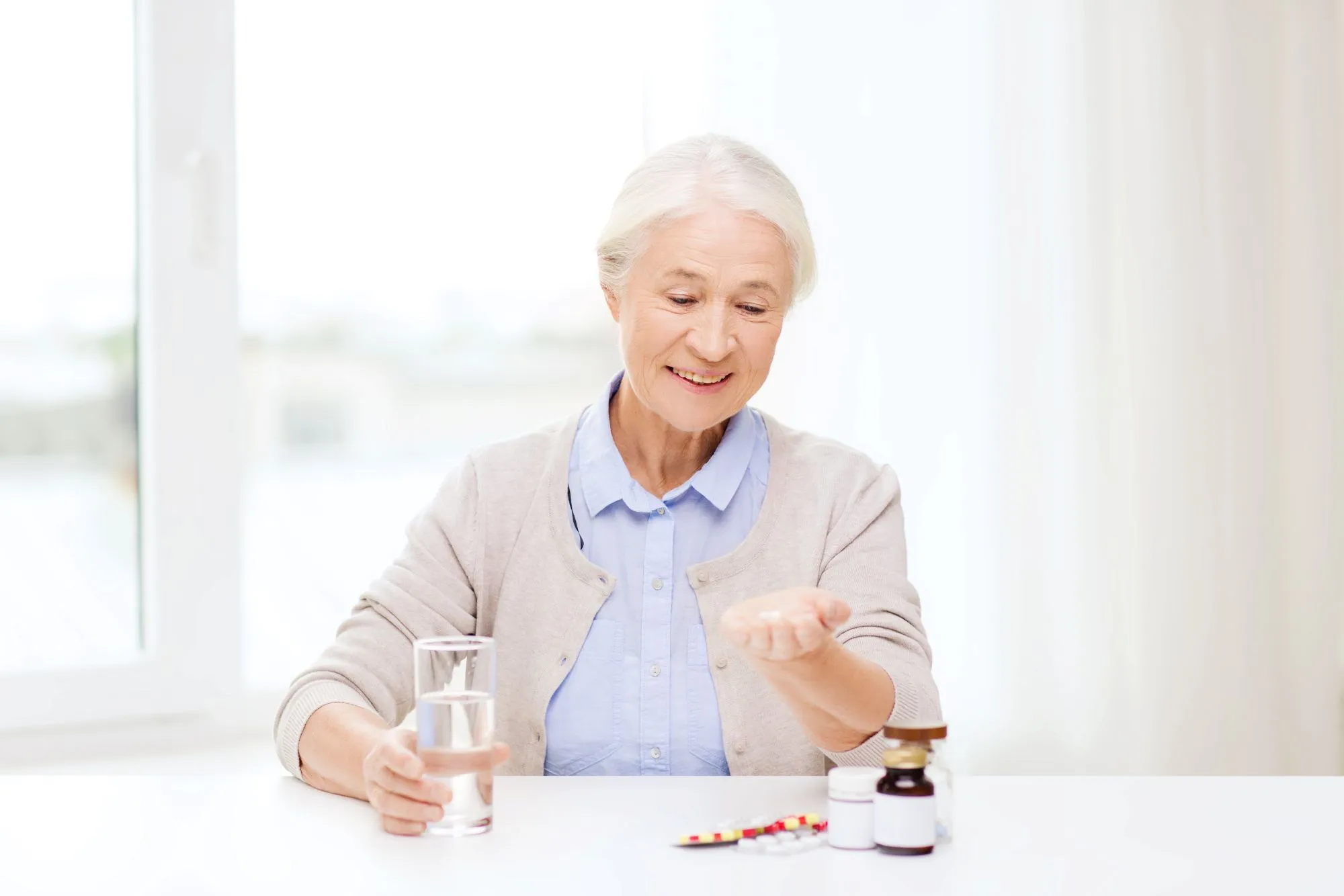
Vitamins play a vital role in ensuring elderly people remain strong, resistant to disease, and have clear minds. The human body undergoes transformations in how it handles vitamins as people age. The digestion system becomes slower, muscles degenerate, and bones lose strength. All these factors compromise the potential for vitamin deficiency even when taking regular meals.
Vitamins for seniors support the boosting of energy, nerve functions, and immunity. A senior is likely to take in lower calories. This makes it a challenge to fulfill the vitamin requirements. For seniors who are also focused on losing weight, maintaining proper vitamin intake becomes even more important. Thus, the issue of proper nutrition becomes significant as one ages, especially when a senior is 60+.
Micronutrients are vitamins and minerals that are needed only in trace amounts to remain healthy. Micronutrients in the body are very vital for major body functions. They help control metabolism, send nerve signals, support immunity, and keep bones strong. The body cannot function properly if micronutrients are insufficient.
The issue of vitamins versus minerals is a common cause of confusion. Vitamins are organic compounds available through plant and animal sources. In contrast to vitamins, minerals are derived from soil and water. Adequate amounts of both are necessary for elderly adults.
The best vitamins for older adults help address the most common health issues seen in seniors. These include bone issues, nerve problems, and the weakened immune system.
For people above 70 years, vitamin D promotes bone health and aids in the absorption of calcium. When levels go low, older people tend to fall frequently due to weakened bones, elevating likelihood of bone fracture. Vitamin D is also known as sunshine vitamin as it is produced by exposing skin to UV rays from the sun. Older adults are at higher risk of vitamin D deficiency because they get less sun and their skin absorbs it less efficiently.
Vitamin D for the elderly usually comes with doses of 800 to 1,000 IU each day. They may also need higher doses after consulting a physician. Vitamin D3 dosage for the elderly would usually be advocated because it is better absorbed.
Vitamin B12 supports nerve function and enhances red blood cell formation. Lower production of stomach acid with advancing age decreases the absorption of Vitamin B12 from food. Therefore, older people are vulnerable to a deficiency.
Vitamin B12 dosage for seniors generally requires 2.4 micrograms daily. Vitamin B12 dosage for seniors with deficiency symptoms may need 500 to 1,000 micrograms daily. The side effects of vitamin B12 dosage for seniors are rare. However, mild nausea or headaches may occur at very high dosages.
Vitamin B complex supplement for seniors consists of: B1, B2, B6, B9, and B12. These vitamins play important roles in ensuring cognitive function, energy, and nerve function. They are among the top 10 best vitamins for nerves because of their ability to promote proper functioning of the nervous system.
Vitamin B complex needs for seniors vary by type, but it generally meets daily recommended requirements. Rich sources for a vitamin b1 diet include whole grains, legumes, fish, and seeds. Rich sources for a vitamin b2 diet include eggs, dairy products, meat, and almonds.
Vitamin C helps maintain immune function, skin regeneration, and iron absorption. Senescent immune cells need Vitamin C from foods and dietary supplements.
Vitamin C for elderly individuals is required in 75 mg daily for women and 90 mg for male seniors. The dosage for a female Vitamin C required on a daily basis may vary based on the person’s age factors and the nature of her food. The dosage considerations for Vitamin C are significant in the following respects:
Taking more than 2,000 mg on a daily basis may trigger some adverse side effects in the form of diarrhea or nausea due to the intake of high amounts of Vitamin C.
Vitamins for adults over 70 should focus on muscle strength, bone health, and brain function. Oxidative stress levels are known to increase with the aging process.
Apart from vitamins, minerals like calcium and magnesium also play an essential role. Protein diet also helps in muscle strength. The vitamins for seniors should always consider the medical status of the person taking them.
The best vitamins for older women support their bone density, heart health, and immune function. Women face severe deficiencies of vitamins after the occurrence of menopause, as the levels of estrogen fall.
Vitamins for senior women may consist of Vitamin D, calcium, and B Vitamins. Best vitamins for women aged 50+ support joints, skin, and energy. Senior women taking vitamins should be careful about high doses of iron unless medically prescribed.
Many high-quality vitamins are made to strict standards using proven ingredients. Additionally, third-party verification, like USP or NSF, is a mark of authenticity.
Anti-aging supplements are not always supported with scientific evidence. Longevity vitamins are good for healthy aging when supported through healthy eating and exercise. Dietary supplements should complement healthy eating and not substitute for it.
Whole foods contain vitamins that come naturally. These whole foods also provide fiber, antioxidants, and other nutrients not present in supplements.
Foods high in vitamin b1 are brown rice, oats, beans, and lentils. Other foods with a significant amount are meat and sunflower seeds. Foods high in vitamin b2 are yogurt, milk, eggs, and lean meats. These are required for metabolism and nerves.
Animal liver is a nutrient-rich food for seniors. Even a small size provides many vitamins and minerals. The most common of them is beef liver.
Beef liver nutritional advantages:
Beef liver is high in vitamin A, Vitamin B12, Iron, and Zinc.
This food is small and so acts as a concentrated source of nutrients. However, seniors only need a small amount of beef liver due to its extremely high amount of vitamin A.
The vitamins vs. minerals debate raises their differing functions in the human body. Vitamins aid in metabolism and protection, while minerals aid in skeleton, muscles, and fluid functions.
Calcium, Magnesium, and Zinc are especially important dietary minerals for older generations. When it comes to minerals and vitamins, balance is more important than taking high doses. Consistency and moderation are ultimate requirements.
Important vitamins for the elderly help maintain muscles, brain function, and immunity. Vitamins D, B12, C, and B complex are the basic supplements.
Omega-3 fatty acids:
These beneficial fats, along with vitamin D, may help maintain heart health. One should consider individual health, diet, and drug use when deciding whether to take these supplements.
Longevity vitamins help with cell protection and prevent oxidative stress. Antioxidants also help protect cells from age-related damage.
For healthy aging, seniors must manage diet, exercise, sleep, and stress. For older adults, taking vitamins along with healthy habits works best.
Vitamin supplements help seniors maintain muscle strength, immunity, nerve function, and overall health. After age 60, digestion and nutrient absorption decline, increasing the need for these supplements. For example, vitamins D, B12, C, and B complexes are significant for bone strength, energy, brain function, and immunity.
The way to go here is to balance nutritional diets with vitamins when the body fails to get the required nutrients. Different people need varying amounts of vitamins due to factors, such as age. When taken correctly, vitamins help seniors stay healthy, active, and improve quality of life.
The vitamins generally recommended for seniors above 70 years of age are vitamin D, vitamin B12, and Vitamin C.
For seniors, Vitamin B12 Daily Dose is 2.4 micrograms daily. Higher doses are advised for Vitamin B12 Deficiency.
Doses above 2,000mg can cause digestive discomfort. The dose of Vitamin C for seniors should always be kept within the safe limit.
Antioxidants or supplements used to reverse aging are unable to reverse aging. Longevity vitamins promote health when working in cooperation with proper diet and exercise.
A multivitamin supplement for women over the age of 50 will likely be safe if age-related. It needs to correlate with nutritional requirements but with less iron.