

February 20, 2026
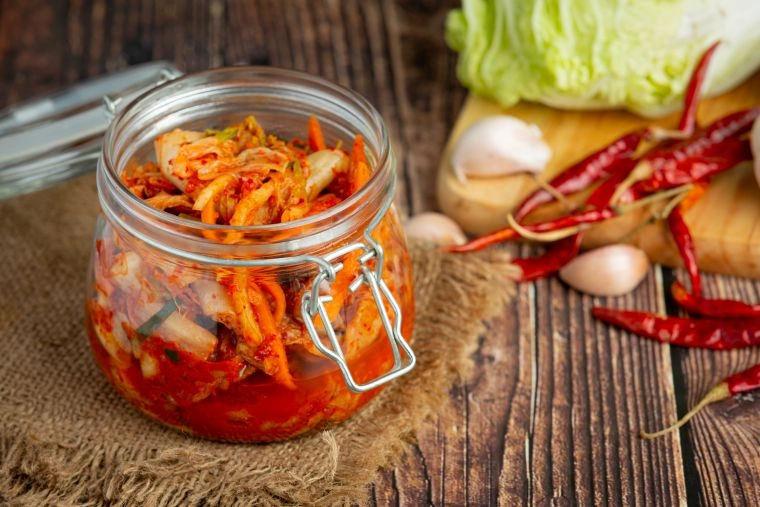
Your time spent on social media regrading scrolling food videos might have come across the vibrant, spicy, pungent jar of kimchi. Like various other food trends of oat milk lattes and sea moss gel, kimchi has been a staple of Korean culture for over 3,000 years. However, the main concern comes down to the question of is kimchi good for you.
As people have been recognizing it globally, the kimchi health benefits are still a mystery. Therefore, to settle the debate, let’s dive a little deeper and look at the science, the nutrition, and the reality of adding this fermented firecracker to your diet.
Before moving on to the question of is kimchi good for you, it is important to know what exactly it is. The main source of traditional Kimchi dates back to being a Korean side dish made from salted and fermented vegetables. Its variations go as far as over 200 because it is the most common version (Tongbaechu-kimchi), which uses napa cabbage. In addition, some variations also include radish, scallions, and a potent paste of chili powder, garlic, ginger, and salted seafood.
The benefits of kimchi usually appear through lacto-fermentation. This approach follows the same pattern used to create sauerkraut and traditional dill pickles. Natural bacteria, specifically Lactobacillus, convert themselves into the sugars in the vegetables into lactic acid. Notably, this acts as a natural preservative, creating the signature tangy zing that gives the trend an increased hype.
To understand is kimchi good for you, you need to be aware of its prominent nutritional benefits. Essentially, it is made primarily of cruciferous vegetables and aromatics, and it is incredibly nutrient-dense while remaining low in calories.
Nutrient | Health Benefits of Kimchi |
| Probiotics | The first of the kimchi advantages is that it comprises living good bacteria (specifically Lactobacillus plantarum and L. brevis) that support the microbiome. |
| Vitamin K | Next in nutritional benefits of kimchi is that it is a beneficial source of vitamin K, which is essential for bone health and blood clotting. |
| Vitamin C | When looking into kimchi nutrition info, we also find vitamin C in it, which is a powerful antioxidant that boosts immune function and skin health. |
| Vitamin A | Kimchi nutritional value also comprises vitamin A that supports vision and eye health. |
| Iron & Riboflavin | Other than kimchi probiotics, it also includes iron and riboflavin that prove beneficial for energy production and metabolic health. |
| Fiber | The fibre in the kimchi keeps the digestive system moving and feeds your resident gut bacteria. |
The reason for the question is kimchi good for you isn’t just the fermentation process. Here are four science-backed reasons why kimchi earns its superfood title.
Kimchi is good for you, as your gut is home to trillions of bacteria that influence everything from your mood to your metabolism. Kimchi is a living food that delivers high doses of probiotics directly to your digestive tract.
Unlike supplements, which can sometimes fail to survive the trip through your stomach acid, the vegan kimchi acts as a prebiotic (food for the bacteria). This helps those probiotics colonize more effectively.
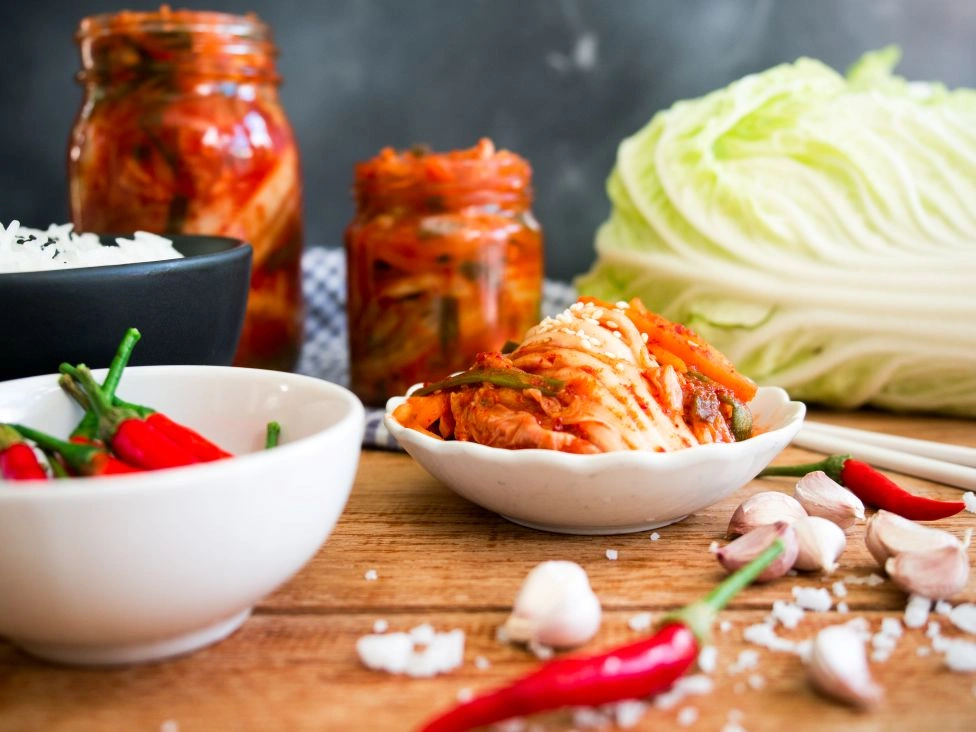
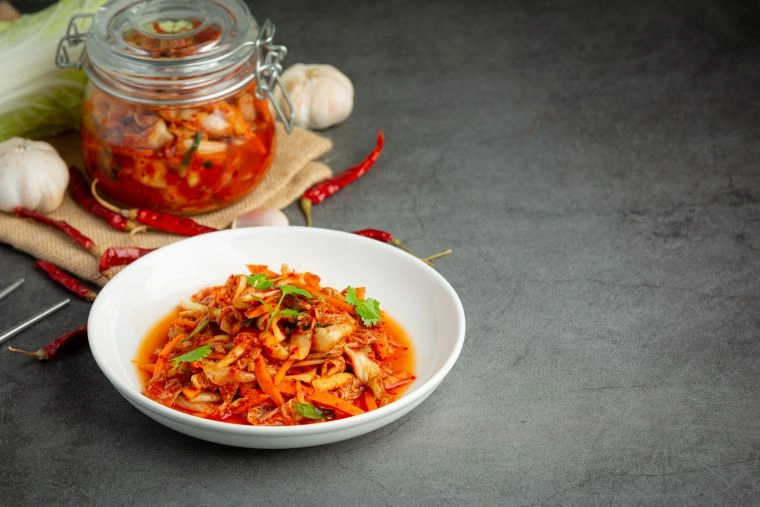
When people ask is kimchi good for you, know that it also benefits in managing inflammation. Chronic inflammation is a scientifically proven factor behind heart disease, diabetes, and certain cancers. Essentially, kimchi contains bioactive compounds like capsaicin (from the peppers) and allicin (from the garlic). Studies suggest these compounds help neutralize free radicals and lower inflammatory markers in the blood.
Further on is kimchi good, know that it is a beneficial source of supporting your overall immune system. Notably, an increased percentage of about 70–80% of your immune system resides in your gut. By maintaining a diverse microbiome through fermented foods like kimchi, you’re essentially training your immune cells to recognize pathogens. Plus, the high Vitamin C content doesn’t hurt when flu season rolls around.
By following a fermented kimchi recipe, you help lower bad LDL cholesterol and regulate blood sugar levels in participants. Significantly, as the fermentation beings, it starts developing compounds that may inhibit fat synthesis and improve insulin sensitivity.
When people ask is kimchi good for you, know that apart from its nutritional benefits, it does have a few caveats that you won’t always see in a wellness infographic.
It is a common question: Is kimchi high in sodium? Therefore, it is important to know that kimchi is preserved with salt. If you are on a strictly low-sodium diet or have salt-sensitive hypertension, you need to watch your portions.
In terms of is kimchi healthy, know that if your gut isn’t used to fermented foods, diving into a large bowl of kimchi can cause temporary gas or bloating. Essentially, your microbiome is like a muscle. Therefore, you have to train it slowly.
Ingredients for kimchi also include garlic and ginger. It’s a small price to pay for health, but having some mints nearby can help manage the odour.
Is kimchi good for you can also be further evaluated by comparing it with other food items. These include the following:
Kimchi is dairy-free and contains more fiber. When dealing with kimchi and health, know that yogurt often has higher calcium levels.
In terms of is kimchi healthy for you, know that both of these foods share similar probiotic profiles. However, kimchi usually has a wider variety of ingredients (garlic, ginger, onions), offering a broader spectrum of phytonutrients.
Kimchi is a whole food, meaning you get the benefits of the fiber and vitamins of the vegetable, whereas kombucha is a liquid extract and often contains added sugars.
Now that you have understood is kimchi good for you or not, you must also keep these tips in mind to ensure you’re getting the real deal:
On understanding why is kimchi healthy, you must also be aware that heat kills probiotics present in kimchi. Therefore, if the kimchi has been canned or shelf-stabilized at room temperature (without being refrigerated), it might not have the live cultures you’re looking for.
A little bit of fizz or carbonation when you open the jar is a great sign. It means the bacteria are alive and well.
Start with a tablespoon a day and increase it gradually to a side-dish serving size.
Kimchi is not just another trend. By understanding is kimchi good for you, you can benefit from its increasingly high value. Notably, it is one of the few foods that manages to be low-calorie, high-fiber, and packed with bioavailable vitamins and living probiotics all at once. Furthermore, if you can handle a little heat and a lot of garlic, your gut will likely thank you for making kimchi a permanent resident of your refrigerator.
At Health Policy Guide, we believe meaningful growth starts with informed choices. We benefit seniors with upgraded knowledge and resources that help them manage their health and wellness. From navigating Medicare essentials to supporting active aging, our accessible content is designed to promote independence and long-term well-being.
Kimchi is good for you because it is a beneficial source of probiotics, supports digestion, boosts immunity, and provides vitamins. In addition, kimchi also has increased amounts of antioxidants and anti-inflammatory benefits, all while being low in calories.
Kimchi is good for digestive health, immune support, and gut balance. It also helps with reducing inflammation, supporting heart health, and providing vitamins and antioxidants, all while being low in calories.
Not always, as traditional kimchi often uses fish sauce, salted shrimp, or anchovy paste to kickstart the fermentation and add umami. However, if you are vegan, look for labels specifically marked “Vegan” or check the ingredients for kelp powder or soy sauce instead of seafood products.
For most people, yes. In Korea, it is common to eat kimchi with almost every meal. However, because of the high sodium content and acidity, people with severe acid reflux (GERD) or those on low-sodium diets should limit their intake to one small serving per day.
Yes, the beneficial Lactobacillus bacteria are sensitive to heat. If you boil kimchi in a soup or fry it in rice, you will lose the live probiotics. However, you still get the fiber, vitamins, and minerals. To get the benefits of both, it is recommended that you eat some raw kimchi on the side of your cooked dishes.