
March 13, 2026
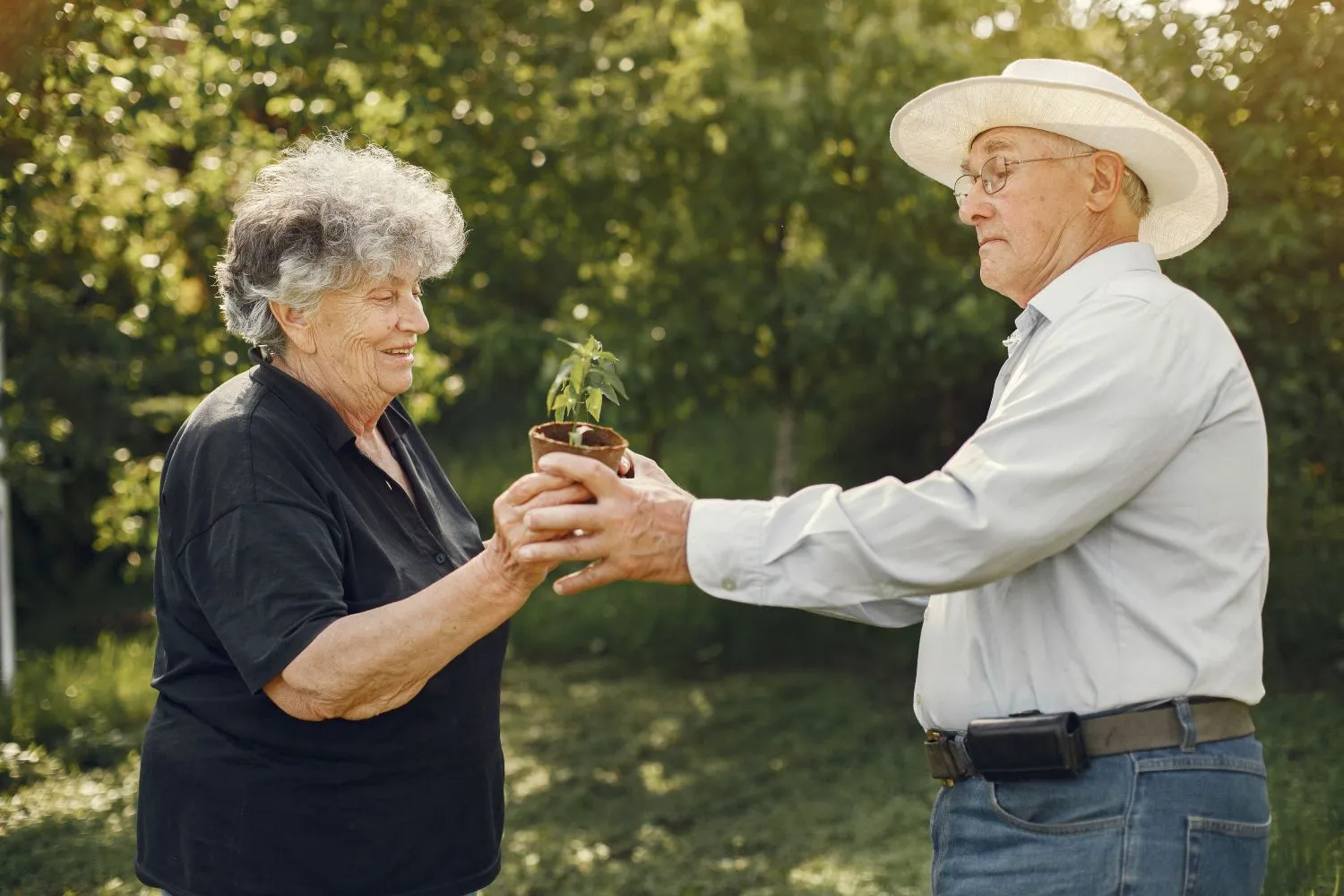
Seniors can enjoy not only beautiful flowers from their garden. They also get gentle exercise for physical health and comfort for emotional well-being. Additionally, they gain a renewed sense of purpose. Many seniors prefer gardening because it supports a slower and more mindful lifestyle. One simple routine that brings structure and meaning to daily life is caring for plants.
Gardening for seniors also helps them to feel independent and confident. An older adult usually enjoys pride in the way that he or she tends to his or her garden. An elderly gardener may be proud of seeing his or her plants do well through the hard work placed into them.
Gardening for the elderly connects their mind and body through a sense of patience and care. Many elderly people enjoy participating in activities that take place slowly. So, if elderly people engage in this activity, they do not need to keep up with younger people. Moreover, the gardening process is enjoyable and easy. It also helps them meet their expectations for participating in today’s lifestyle.
Seniors are usually relaxed and focused when they garden. It happens because the experience of being in nature reduces stress and worry. Thus, elderly people gardening provides a sense of control and stability. This type of emotional security is especially beneficial in older age.
Seniors may feel very much tied to their gardens emotionally. Watching the development of the plants brings hope and positive feelings. The interaction with the plants provides comfort for a senior who tends plants each day. That bond also helps to lessen loneliness and emotional exhaustion.
Gardening for seniors further helps enhance mindfulness. Simple garden-related tasks will provide opportunities to think about only the present moment. This healthy activity also has a calming effect, helping as a distraction from concerns. This state of emotional stability is conducive to long-term mental health.
After retirement, the benefits of gardening become more pronounced. Seniors do not have a daily schedule once they retire. Hence, participating in growing plants provides meaning to replace a lack of schedule. Caring for plants creates a daily routine and a sense of responsibility.
Often, seniors enjoy gardening because they can see the progress. The joy seniors get from seeing their garden thrive can motivate them to keep gardening. They can also develop effective time management skills without feeling any stress. All these elements provide them with a greater sense of emotional stability.
Gardening for old people gives seniors a reason to stay engaged in their community. While caring for their garden, they gain pride from nurturing beautiful plants. As a result, a senior gardener feels motivated by their accomplishments. Additionally, their experiences increase self-worth and self-esteem.
Seniors take part in gardening by setting seasonal goals, such as when to plant and when to see the fruits. They enjoy the satisfaction that they have achieved throughout the entire process. It creates opportunities for seniors to become engaged in a purposeful activity. It enhances their ability to age well.
Seniors who grow their own food are able to improve their mobility. It happens because planting requires bending, stretching, walking, and using their hands. These movements add to the total muscle tone and joint flexibility for seniors.
Frequent movement suppresses stiffness due to inactivity. Thus, active gardening by seniors maintains and improves their balance. Senior gardeners can remain physically active in a safe and supported way. Thus, it helps them maintain their long-term independence.
Gardening supports heart-healthy living for elderly individuals. Gardening is a light form of physical activity that aids in circulation. Consistent activity can assist in stabilizing their blood pressure and improving cardiovascular health.
Additionally, seniors experience better circulation from increased physical activity while gardening. Moreover, time spent outdoors in fresh, oxygen-rich air is also beneficial. Over time, this also improves the vitality of seniors who garden.
Gardening reduces stress and anxiety through repetitive tasks that calm the mind. Seniors who garden experience improvements to their mental health. This occurs through emotional regulation, the ability to manage emotions over time.
Seniors who garden regularly often return feeling mentally refreshed. They can focus on their garden without pressure, which helps improve their mood. Moreover, maintaining consistent care for their garden strengthens emotional balance.
Gardening helps seniors stay mentally active. It involves simple thinking tasks like planning, planting, and harvesting schedules. Seniors also remember when they last watered or fertilized their gardens. Solving small gardening problems keeps the brain engaged. Regular tasks support cognitive health and encourage ongoing brain stimulation.
Gardening benefits for seniors include improved attention. Gardening tasks need observation and care. Mental engagement supports healthy aging and becomes a brain-supportive habit.
Holistic gardeners focus on physical, emotional, and mental well-being. When seniors grow plants, they stay mentally and physically active. Gardening also creates a calm and relaxed state of mind.
Aside from this, gardening reduces stress by practicing mindfulness and slowing down. During this practice, many seniors find that their minds and bodies are at peace. Thus, holistic gardening practices improve their whole body and mind.
Many therapists believe in the healing power of gardening. Hence, they often recommend it for individuals who need emotional healing. While working in the garden, seniors develop a sense of calm and have a focused mindset. As a result, seniors’ mental and emotional health can improve on its own.
Health benefits of gardening for seniors include a reduction in depression-related symptoms. By caring for a plant, a senior develops a connection. Through the appropriate use of gardening as therapy, seniors will find good health as a way to heal.
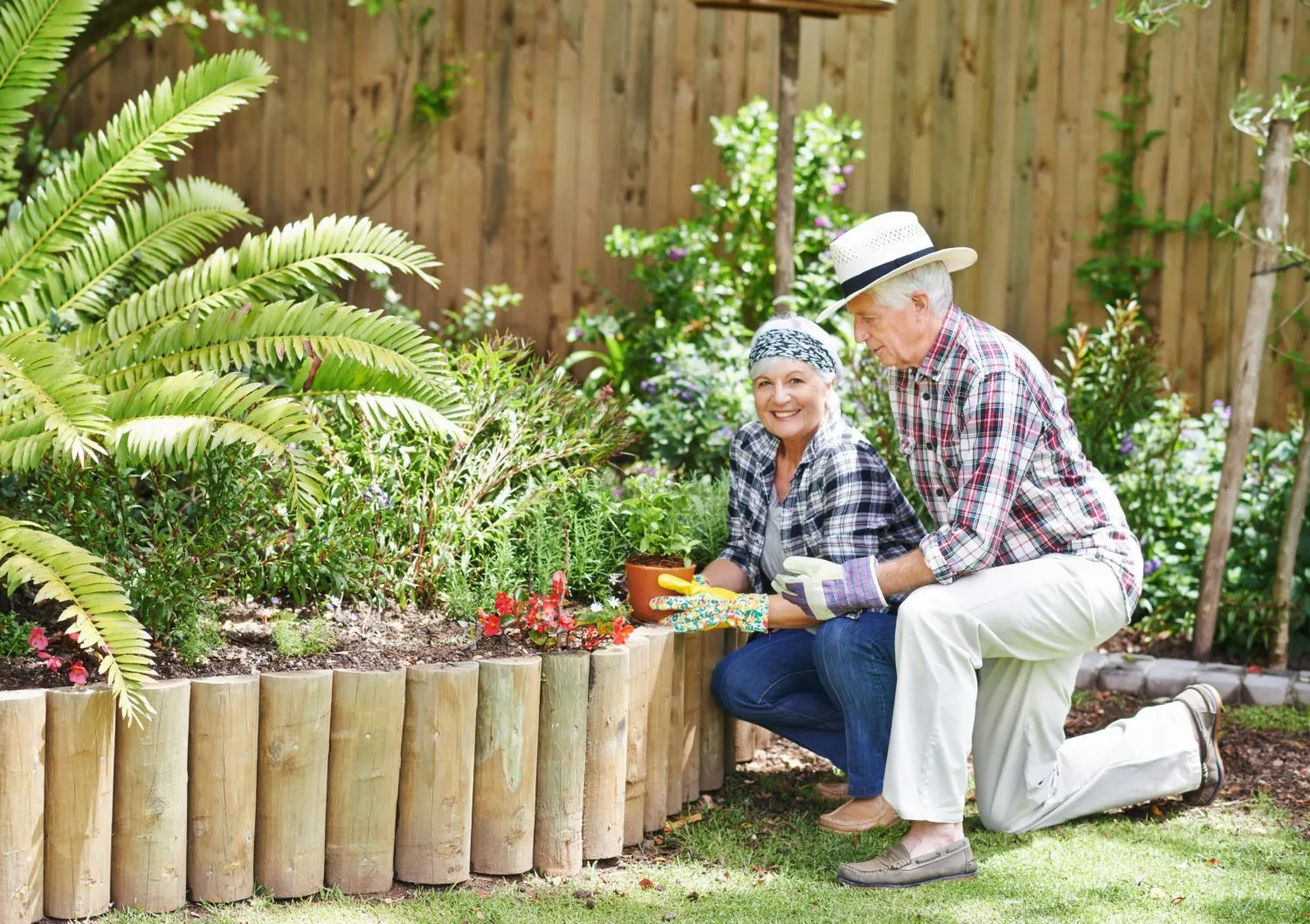
For seniors who want to grow their own gardens and use simple methods, raised garden beds are a good option. This method provides less bending and strain on their joints. So, seniors who garden will find that they are gardening safely and comfortably.
Additionally, container gardening is another solution for maintaining a routine. It also provides easy access at waist level for seniors. All the above recommendations keep seniors involved in their creative experience.
For seniors who are gardening, stable stools are appropriate when sitting down. Additionally, having the right equipment increases the safety of seniors while gardening. Gardening is an important activity for seniors, as it also boosts their confidence. Furthermore, using the right tools helps gardening seniors support their long-term health.
A senior gardening club gives seniors the chance to socialize with others. It allows them to develop friendships with like-minded seniors. When people share the same goals, they are able to communicate with ease. By having social connections, seniors are less likely to feel lonely.
Gardening programs for seniors also provide opportunities for group activity. When seniors are gardening with others, they will feel supported. Community gardens create a sense of belonging to a community. Alongside improving physical health, it has the potential to enhance social health.
Gardening is a way for seniors to develop connections with the larger community. When seniors garden in shared spaces, they can work and cooperate with others. Moreover, contributing to the beauty of their neighborhoods develops a sense of belonging.
Engaging in gardening also helps seniors strengthen their social identity in the community. Through this activity, seniors can develop connections to other individuals and the home environment. These connections will aid in improving emotional wellness for seniors. Community engagement is a factor in the well-being of seniors as they age.
Safety is important for seniors who are gardening. Warming up (easy movements) is vital to protect their joints. To prevent overexertion, short sessions are necessary. Hydration is essential in maintaining energy to continue gardening.
Seniors must protect themselves from the sun while gardening. The best way to protect themselves from the dangers of the sun is to wear hats and to garden in the shade. Before gardening, seniors should take time to plan for safety measures. These habits will promote the continued health and safety of seniors who garden.
Gardening is ideal for seniors because it offers physical activity during the cooler morning hours. This allows them to avoid getting tired too soon. Moreover, elders can perform their best while cultivating plants in the morning. It keeps their energy levels steady throughout the day.
Yet, the elderly need to take rest stops when gardening. By listening to their body, they can prevent injury. Additionally, a routine helps create balance and improves both success and safety. Thus, maintaining consistency becomes possible while gardening for seniors.
Simple plants work best for seniors who are gardening. Most herbs grow quickly and need very little maintenance. Leafy greens grow with ease and need very little maintenance for elderly adults. This gives the elderly a greater sense of self-esteem because they are able to grow things with ease.
Many flowers planted by the elderly are resistant to insects. A most colorful example is the marigold. These plants provide visual rewards with their brilliant colors throughout the growing season. Plants that are low maintenance help support continual growth and success. The selection of plants is one of the most important aspects of gardening.
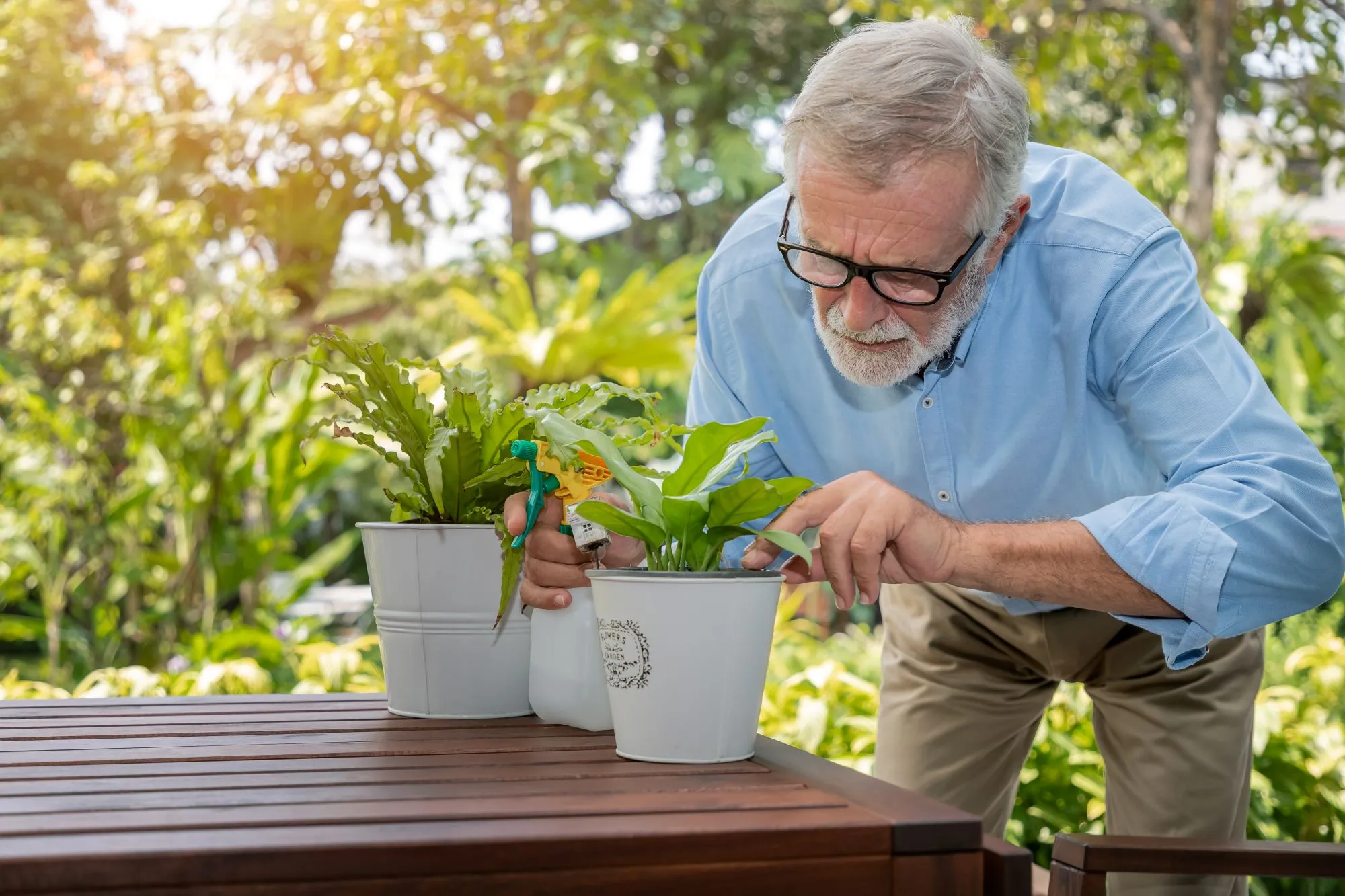
Indoor plants allow elderly gardeners to enjoy gardening all year. They also help improve indoor air quality. Indoor cultivation keeps seniors active even during harsh or seasonal weather. As with outdoor gardening, maintaining a routine is important for emotional well-being. Additionally, indoor plants need very little effort. This makes indoor gardening easy and accessible for senior citizens.
Gardening provides seniors a simple and effective way to promote healthy aging. It also enhances emotional balance and a sense of purpose on a daily basis. Gentle physical activity in gardening develops mental clarity, daily routine, independence, and confidence. They achieve this either individually or through participation in a senior gardening club.
Gardening requires gentle movement that supports flexibility and balance. It is ideal for many of the elderly who do not want to take part in strenuous physical activity.
Senior citizen gardening is safe when they do it according to their ability level. Planting in raised beds and using proper tools can reduce the risk of injury.
The simplest method of gardening for seniors is the use of containers and/or raised beds. These methods allow individuals to remain upright without bending. Thus, they decrease the risk of injury.
Yes, many older adults experience stress and isolation, leading to poor mental health. Gardening can provide therapeutic benefits by reducing stress, improving focus and creating balance.
Gardening for retirees provides them with a daily routine and purpose to their lives. It supports both physical and emotional well-being.