

January 19, 2026

It is a common query: Does Medicare cover hearing aids? For millions of older Americans, hearing loss is a barrier to connecting with family, staying safe, and maintaining mental well-being. Therefore, when choosing between the Original Medicare and Medicare Advantage Plans, such questions from both family caregivers and seniors are common.
The answer to Will Medicare pay for hearing aids is complex. While “Original Medicare” has a long-standing exclusion for these devices, the landscape has shifted significantly in 2026 due to the rise of Medicare Advantage plans and new over-the-counter (OTC) options.
This comprehensive guide breaks down exactly what is covered, what you will pay, and how to navigate your options to get the hearing support you need.
The short answer to “Does Medicare cover hearing aids?” in terms of Original Medicare is simply no. Since the program’s inception in 1965, federal law has specifically excluded hearing aids and routine hearing exams from coverage.
When talking about Does Medicare Part B covers hearing aids, know that, along with significant hearing aids, some other aspects are also not covered. These include:
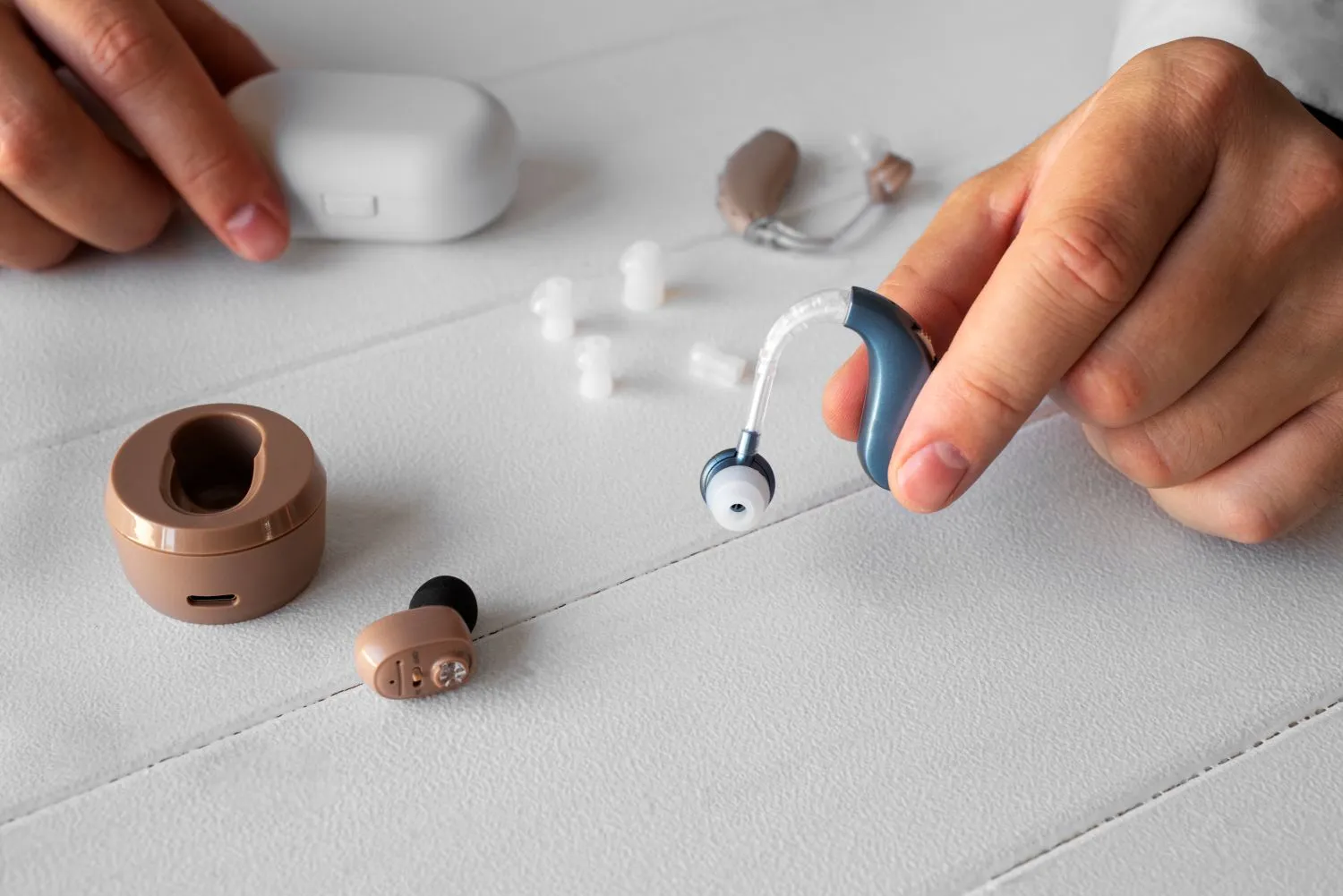
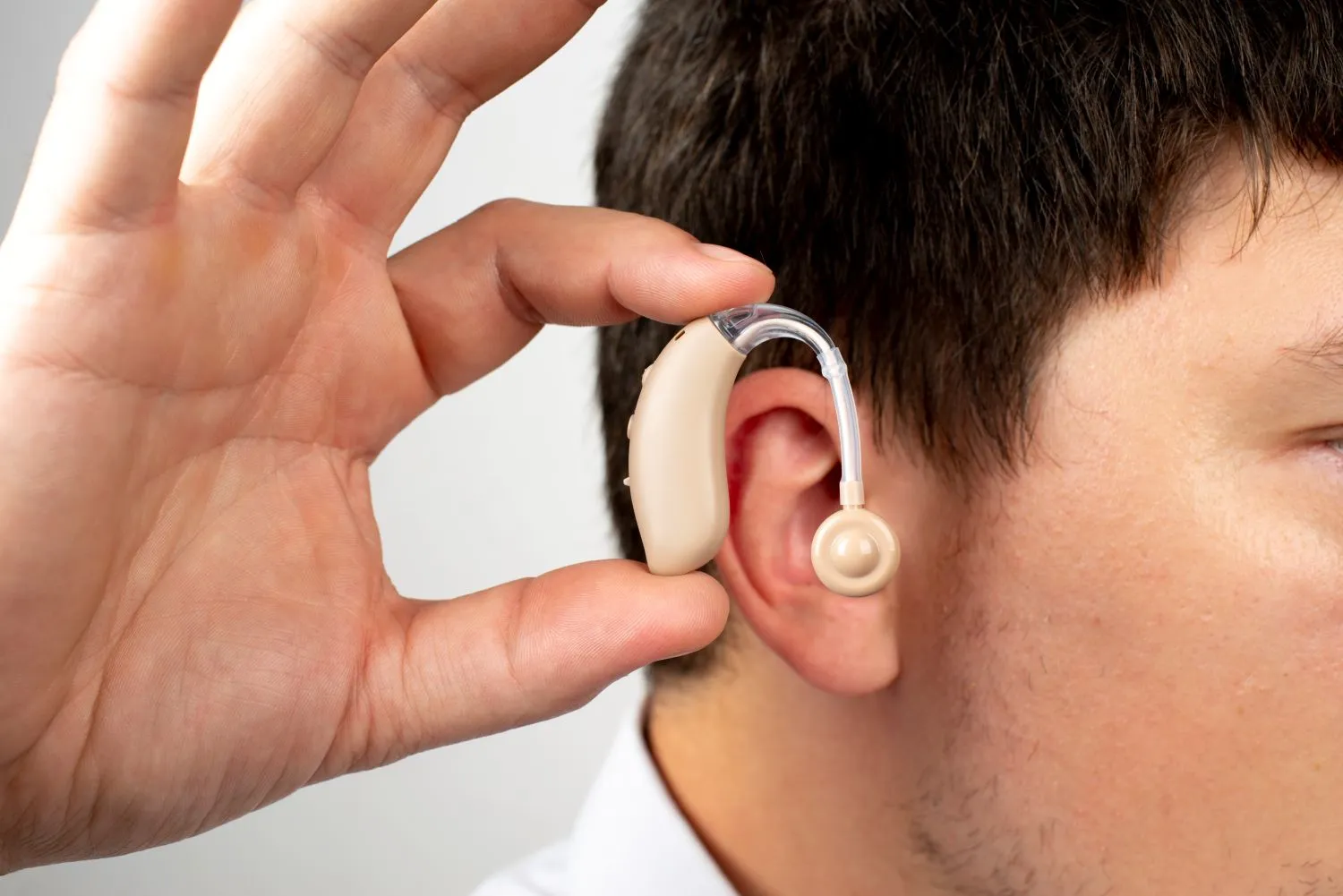
Hearing aids medicare coverage is not covered under Medicare Part B. Whether you need a basic model or high-tech rechargeable devices, Part B will not pay for the hardware.
Medicare and hearing aids do not go hand in hand in Part B; along with “Screenings” to see if you have hearing loss, or exams for the purpose of fitting a hearing aid.
Batteries, repairs, and adjustments are 100% your responsibility.
In terms of Does Medicare covers hearing aids, know that Medicare Part B does cover diagnostic hearing and balance exams. However, it is only possible if your doctor or healthcare provider orders them to see if you need medical treatment for a non-routine condition.
In 2026, you can also see an audiologist once every 12 months without a doctor’s referral for certain non-acute diagnostic services. Though this still does not include exams for the purpose of getting a hearing aid.
Apart from Original Medicare, patients also ask Does Medicare Advantage cover hearing aids. Know that Medicare Advantage (MA) is your primary path. Unlike Original Medicare, private insurers that offer MA plans often include extra benefits to stay competitive.
As of 2026, approximately 95-98% of Medicare Advantage plans offer some form of hearing coverage. However, the level of support varies wildly.
To elaborate on the query, does Medicare cover hearing aids? Know that the Medicare Advantage Plans prove beneficial in the following ways:
Medicare hearing aid coverage in several plans is offered with a $0 or low-cost ($20–$45) copay for a yearly hearing test.
Hearing aids with Medicare provide a flat dollar amount (e.g., $500 to $2,000) every 1–3 years toward the purchase of hearing aids.
Other plans partner with various manufacturers to offer specific models at set prices. However, hearing aids covered by Medicare may require you to pay $499 for a “Standard” aid or $999 for a “Premium” aid.
Many plans include the initial fitting in medicare coverage of hearing aids, along with a few follow-up adjustments in the purchase price.
When elaborating does Medicare cover hearing aids, it is important to understand that the cost is essential. Essentially, it is because even with insurance, hearing aids are a significant investment.
Feature | Average Cost (Per Pair) |
Basic / Entry-Level | $1,500 – $3,000 |
Mid-Level (Advanced Tech) | $3,000 – $5,000 |
Premium (AI, Bluetooth, Rechargeable) | $5,000 – $8,000+ |
Over-the-Counter (OTC) | $300 – $1,500 |
Hearing aids through Medicare use a bundled pricing model. This means the price includes the device itself, the audiologist’s professional fee, multiple fitting sessions, and a multi-year warranty. However, some providers are moving toward an unbundled model to lower the initial sticker price, but you then pay for every office visit separately.
A major shift occurred recently with the FDA approval of Over-the-Counter (OTC) hearing aids. Significantly, these too are Medicare Advantage hearing aids, usually designed for adults with mild-to-moderate hearing loss, and do not require a prescription or a visit to an audiologist.
Further explaining the query, does Medicare cover hearing aids? Knowing that the OTC hearing aids are significant for people who feel “missing out” in noisy restaurants or find themselves turning up the TV, but can still hear reasonably well in quiet settings.
When people ask, Does Medicare pay for hearing aids for seniors? Know that Medicare does not cover OTC aids. However, some 2026 Medicare Advantage plans allow you to use your OTC Allowance (often a quarterly credit for things like aspirin or vitamins) to purchase them.
Medicare coverage of hearing aids proves to be cheaper (saving $2,000+ on average) and easily accessible at pharmacies or online.
No professional fitting. You must be tech-savvy enough to set them up via a smartphone app.
If your Medicare plan does not offer hearing aid insurance coverage, consider these alternatives:
When understanding the question, Does Medicare cover hearing aids? Caregivers must know that Medicaid provides hearing aid coverage for low-income seniors.
When people ask, Does Medicare pay for hearing aids for seniors related to VA, know that the VA is one of the largest purchasers of hearing aids in the U.S. If you are a veteran, you may be eligible for high-quality devices and care at no cost.
Medigap does not provide hearing insurance for seniors. However, it helps pay your 20% coinsurance for covered services.
Organizations like the Lions Club or the Hearing Aid Project provide refurbished or discounted devices to those in financial need.
While the gap in Original Medicare coverage remains a challenge in 2026, the path to affordable hearing health has never been clearer. The significant query of Does Medicare cover hearing aids so yes, it is possible through some Medicare Advantage plans, and the growing market for high-quality OTC devices. Most seniors can find a solution that fits both their clinical needs and their budget.
At Health Policy Guide, we take a balanced and informed approach to senior health. We empower older adults with reliable knowledge and practical resources to confidently manage their healthcare decisions. From Medicare fundamentals to wellness and fitness guidance, our content is designed to support independence and long-term well-being.
No, Original Medicare does not pay for batteries and repair. However, some Medicare Advantage Plans include a starter kit of batteries (or rechargeable cases) with your purchase. Some also include a 1–3 year warranty for repairs and one-time loss/damage replacement for a small deductible.
When caregivers ask Are cochlear implants covered by Medicare? Know that, unlike standard hearing aids, cochlear implants are classified as prosthetic devices rather than hearing aids. Therefore, you typically pay 20% of the Medicare-approved amount after meeting your Part B deductible.
Every plan is different, but most follow one of these cycles. High-end plans often allow for one new pair per year. However, some standard plans allow for a new pair every three years.