

March 6, 2026
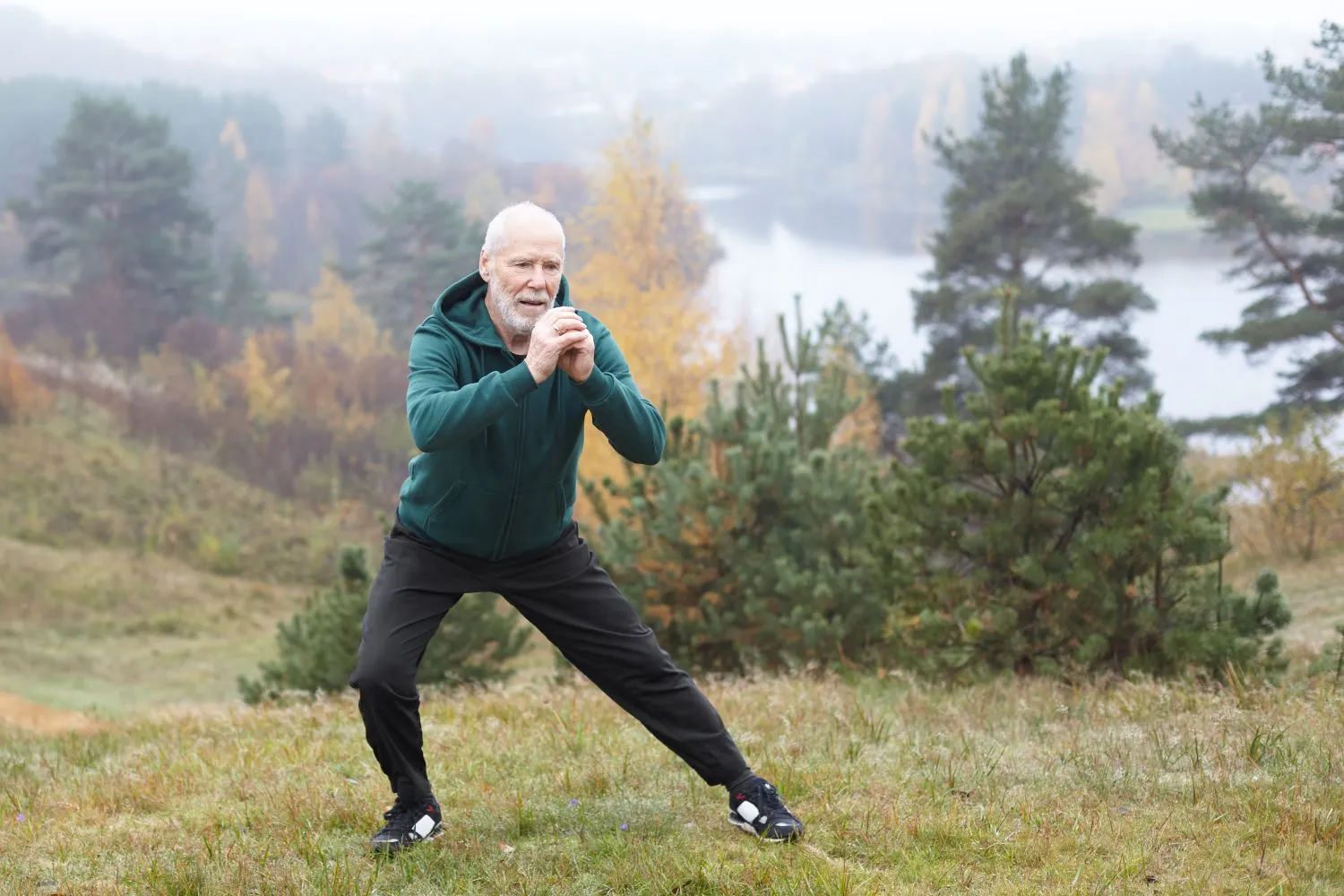
Keeping yourself fit by exercising regularly is one of the best gifts that you can give your body and mind. However, the common concern of how long should you wait to eat after exercising is one question the powders the minds of individuals with an active lifestyle. Therefore, it is important to know that after a proper workout session, your muscles are shaking, your heart rate is settling, and you’re covered in a well-earned layer of sweat.
In the fitness world, many people remain under the myth of 30 minutes wait. However, in enjoying your next meal, the truth is a bit more nuanced than a ticking clock.
Whether you want to strengthen your muscles or maintain your body weight, understanding recovery timing is essential. Let’s dive into the science of how long after working out should you eat.
In terms of how long should you wait to eat after exercising, know that for years, gym-goers rushed for a protein shake intake before they even left the locker room. This was their common fear that missing the 30-minute mark would impact their workout negatively.
Current research answers the question, is it good eating after workout, by suggesting that the human body is indeed primed for nutrient absorption after exercise. Significantly, this window is much wider than we once thought. For most people, it can even last anywhere from 2 to 4 hours post-exercise.
In terms of should you eat after working out, the following are the reasons why this urgency has been affected:
For how long should you wait to eat after exercising, know that nutrients still circulate in your bloodstream even if you ate a balanced meal 1–2 hours before training. Moreover, they remain in action while you work out and immediately after.
The process of repairing muscle tissue stays elevated for up to 24–48 hours after a session.

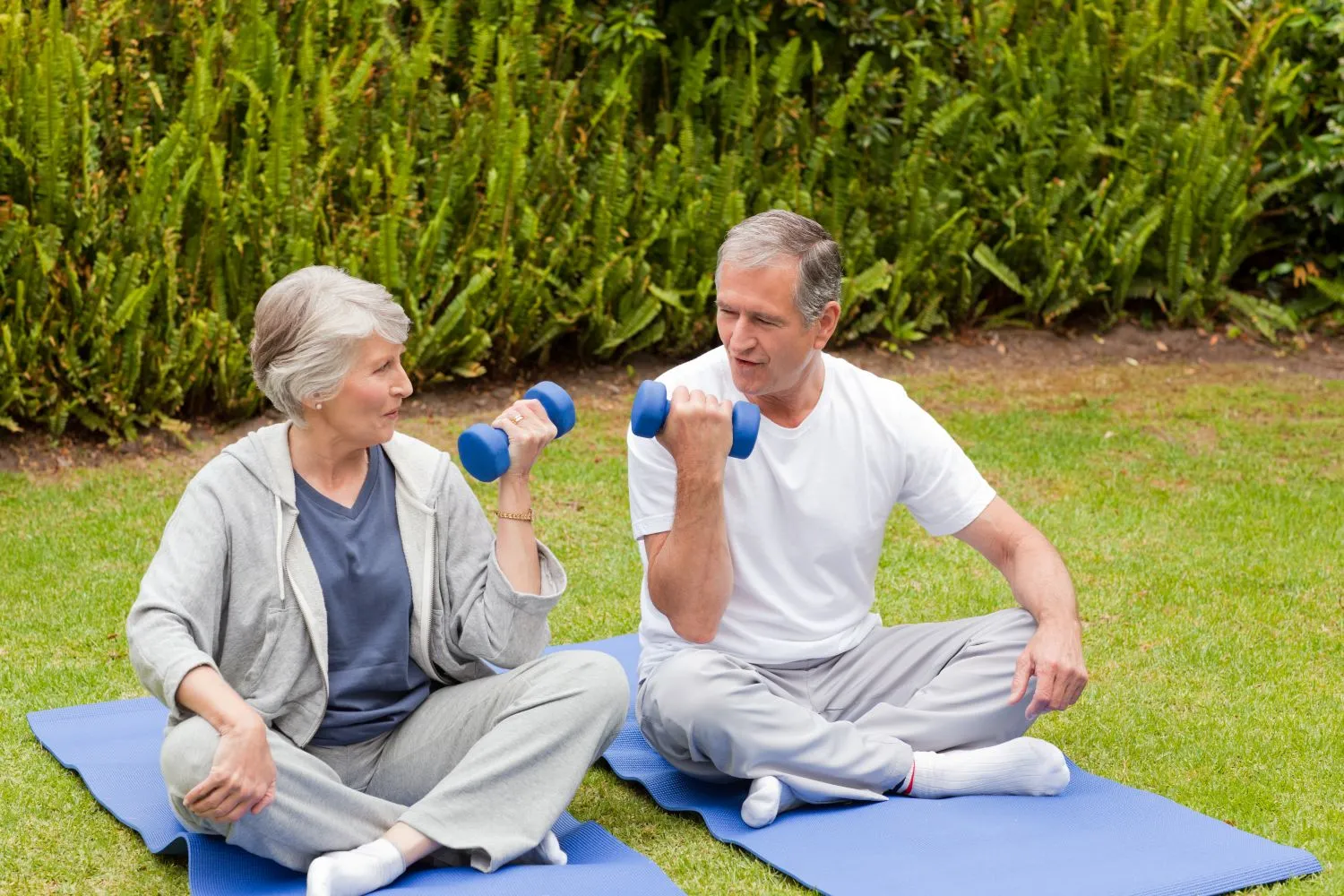
To understand how soon after working out should you eat, we have to understand what we just did to our internal chemistry. Essentially, exercise is a controlled form of stress that causes two main shifts:
In terms of eating after workout, know that your muscles use stored carbohydrates (glycogen) for energy. Therefore, all your high-intensity or long-duration workouts leave these stores low.
Further, when eating after working out, know that physical exertion creates microscopic tears in muscle fibers. To grow stronger, your body requires you to manage these tears through protein synthesis.
For people who ask, is it bad to eat after exercise, know that after a workout, your body becomes more sensitive to insulin. Significantly, insulin is one major factor that acts like a key that opens up your muscle cells to let in glucose (from carbs) and amino acids (from protein). Therefore, eating post-workout leverages this sensitivity to kickstart the healing process.
When elaborating, how long should you wait to eat after exercising, know that timing is only half the battle. It is also equally important what you put on your plate in terms of the proteins and carbs you are taking.
To repair muscle tissue, you need amino acids when eating after exercise.
Now people often ask, are carbs good after a workout? Therefore, it is important to know that carbs replenish your glycogen stores and trigger the insulin response needed for recovery.
When dealing with the query of how long should you wait to eat after exercising, know that not every workout is created equal. Your wait time should scale based on how hard you pushed.
If you train first thing, should you eat after exercise, is what will bother you for the rest of the time. It is important to know that in the morning on an empty stomach, your recovery meal becomes urgent. Since you don’t have pre-workout nutrients, your body is in a catabolic (muscle-breaking) state. In this case, try to eat within 30–60 minutes.
If you are an athlete training twice in one day, should I eat after workout, will still bother you. However, in this situation, you have a very limited amount of time to restore glycogen before the next bout of stress. Here, speed is key, so opt for liquid nutrition (like a smoothie) for faster absorption.
In terms of how long should you wait to eat after exercising, you can eat the perfect balance of macros. However, if you are dehydrated, your recovery will stall. Significantly, your water intake is essential for protein synthesis and transporting nutrients to your cells.
Along with working out and eating healthy, it is recommended that you drink 16–24 ounces of liquid materials for every pound of body weight lost during exercise.
When you understand your query of is it better to eat after a workout, restore your electrolytes. Essentially, if you have worked out for over 90 minutes, ensure you are replacing sodium, potassium, and magnesium.
Eat to Excel After Your Workouts Get Comprehensive Guidance on Your Post-Workout Meal Timings. |
For how long should you wait to eat after exercising, the following are a few common mistakes to avoid:
Eating immediately after workout or a 30-minute jog doesn’t necessarily require a 1,000-calorie burger. Keep your post-workout meal proportional to the effort.
In terms of are you supposed to eat after working out, a little fat is fine. However, very high-fat meals (like a greasy pizza) can slow down the digestion of the protein and carbs your muscles need immediately.
When you understand do you have to eat after a workout, know that whole foods provide micronutrients and fiber that protein powders lack. Therefore, it is recommended that you use shakes for convenience, but aim for real food as your foundation.
On wrapping up the question, how long should you wait to eat after exercising, it is suggested not to stress the seconds, but also don’t ignore the signals. If you feel an empty stomach immediately after a workout, do not hesitate to get something in a small amount. Essentially, your body is telling you it’s depleted. Therefore, as long as you are consuming a high-quality, protein-rich meal within a few hours of your session, you are doing exactly what your body needs to grow stronger.
At Health Policy Guide, we assist seniors in building growth and how to make informed decisions. We recommend that seniors enhance their knowledge and tools they need to take charge of their health and wellness. From understanding Medicare essentials to encouraging active, independent living, our clear and accessible content supports long-term well-being.
To lose weight, eat within 30–60 minutes after your workout. It is suggested that you focus on lean protein. In addition, having fiber-rich foods also supports fat loss and recovery.
No, it’s not bad to eat after the gym. Eating after a workout helps repair muscles, reduce fatigue, and support fat loss. Just choose healthy portions with protein and nutrients.
It depends on your goal. If you eat before a workout, you often require more energy and better performance. However, if you eat after a workout, that’s because you might want muscle recovery and fat loss support.
If you consistently skip post-workout nutrition, you may experience increased muscle soreness (DOMS). In addition, you might also feel chronic fatigue and brain fog that slows progress in strength or endurance.
Fat slows down the digestion of food. Immediately after a workout, your goal is to get protein and carbs into your muscles quickly. Therefore, a very high-fat meal (like a greasy burger or a keto-heavy dish) might delay nutrient absorption.