

February 26, 2026
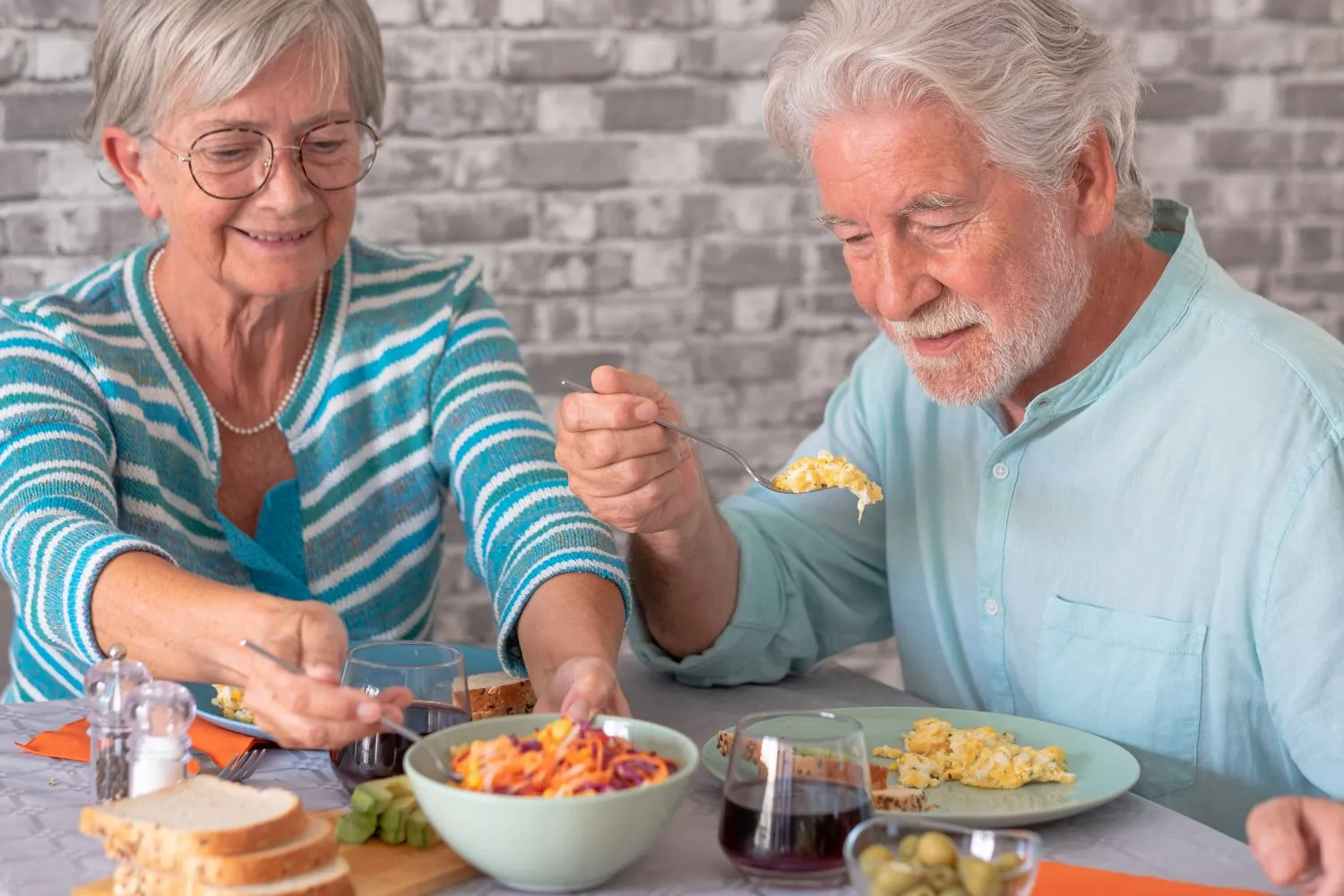
Aging often brings changes that make the simple act of eating overwhelming. Therefore, healthcare professionals often recommend soft foods for seniors to help them avoid choking and the risk of death. This specific reccomendation be for anything from dental issues to muscle weakness, or a medical condition like dysphagia (difficulty swallowing).
Transitioning to a soft food diet is a common and necessary step for many seniors, but it does not always mean bland food. With the right approach and by following soft food recipes for seniors, you can prepare nutritionally dense, flavorful, and visually appealing food for your loved ones.
This guide explores why soft foods are essential, how to prepare them, and provides a comprehensive look at the best options for maintaining a high quality of life.
As we age, soft foods for seniors become necessary due to several factors that can make chewing and swallowing difficult:
Soft food ideas for seniors are necessary to look into missing teeth, poorly fitting dentures, or gum disease.
Many medications cause dry mouth, making it hard to moisten food for a safe swallow. Therefore, soft foods for seniors become necessary.
It is recommended by healthcare professionals to look for soft foods for dementia patients. In addition, a soft diet is a beneficial approach for individuals with stroke and parkinson’s disease.
General frailty can make the jaw tire quickly during a meal. Therefore, such elderly patients must also be provided with soft food items.
Before diving into specific foods, you must be aware of the different levels of soft foods for seniors.
Soft foods for seniors having difficulty chewing and swallowing must be bite-sized. Such food items are naturally soft or cooked until tender and cut into pieces no larger than 1.5cm.
Soft foods for seniors must be chopped into very small pieces (about 4mm) and served with a thick sauce or gravy.
Food that is blended into a smooth, uniform consistency with no lumps proves best for seniors.
The following are a few cooking tips on soft foods for seniors:
Always serve soft veggies and meats with gravy, broth, or sauce. Significantly, dry food is the enemy of a safe swallow for your loved seniors.
Things to eat that are soft must be given in smaller portions to seniors with varying health conditions. Increase the nutrient density by adding butter, heavy cream, full-fat yogurt, or protein powder to dishes.
Pureed food can look unappetizing. Therefore, soft foods for seniors must be vibrant vegetables like carrots, beets, and spinach to keep the plate looking real and inviting.
The following are a few easy-to-swallow foods for the elderly that family caregivers can consider.
Protein is an essential element for maintaining muscle mass and immune function, but many traditional proteins (like steak) are too tough. Therefore, opt for the following soft breakfast foods:
Soft foods for seniors, in terms of eggs, can be scrambled, poached, or made into a soft omelet. However, it is recommended that you do not add hard-fried eggs with crispy edges to your meals.
Flaky white fish or salmon is a good source of soft meats for the elderly. Therefore, give them either baked or poached in broth.
Ground turkey, chicken, or beef served in wet dishes like shepherd’s pie and meatloaf can also be given to older adults. Essentially, these are also good options for soft nutritious foods.
Silken tofu is an excellent protein option when considering soft foods for seniors. Well-cooked lentils and refried beans are also great options.
Caregivers must avoid crusty bread and dry crackers for seniors. However, it is recommended that you go on with the following:
Oatmeal, Cream of Wheat, or congee (savory rice porridge) are good soft snacks for seniors.
Snacks for the elderly also include French toast or pancakes soaked in syrup or applesauce.
Overcooked soft pasta (like orzo or macaroni) served with plenty of sauce can also be considered in terms of soft foods for seniors.
When cooked with extra liquid, it becomes a good source of soft food to eat for seniors.
Raw vegetables are a high choking risk. Focus on these instead for seniors:
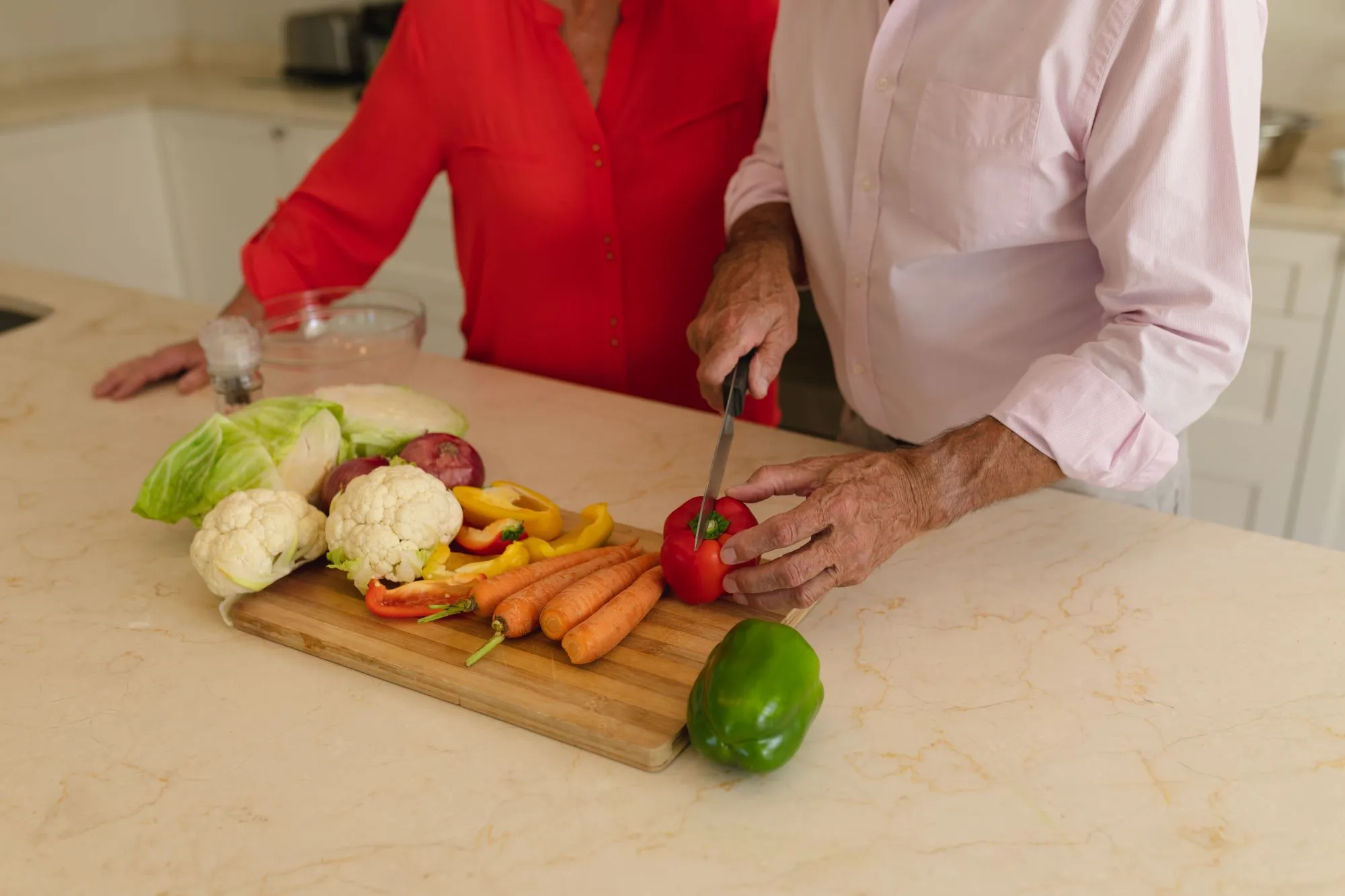
Potatoes, sweet potatoes, carrots, and parsnips can be converted into mushy foods.
Squash (butternut or acorn), cauliflower, and peas are also foods you can eat without chewing. Therefore, these too can be given to older adults.
Finely chopped spinach or kale cooked thoroughly into a soup or stew is also food that’s easy to digest.
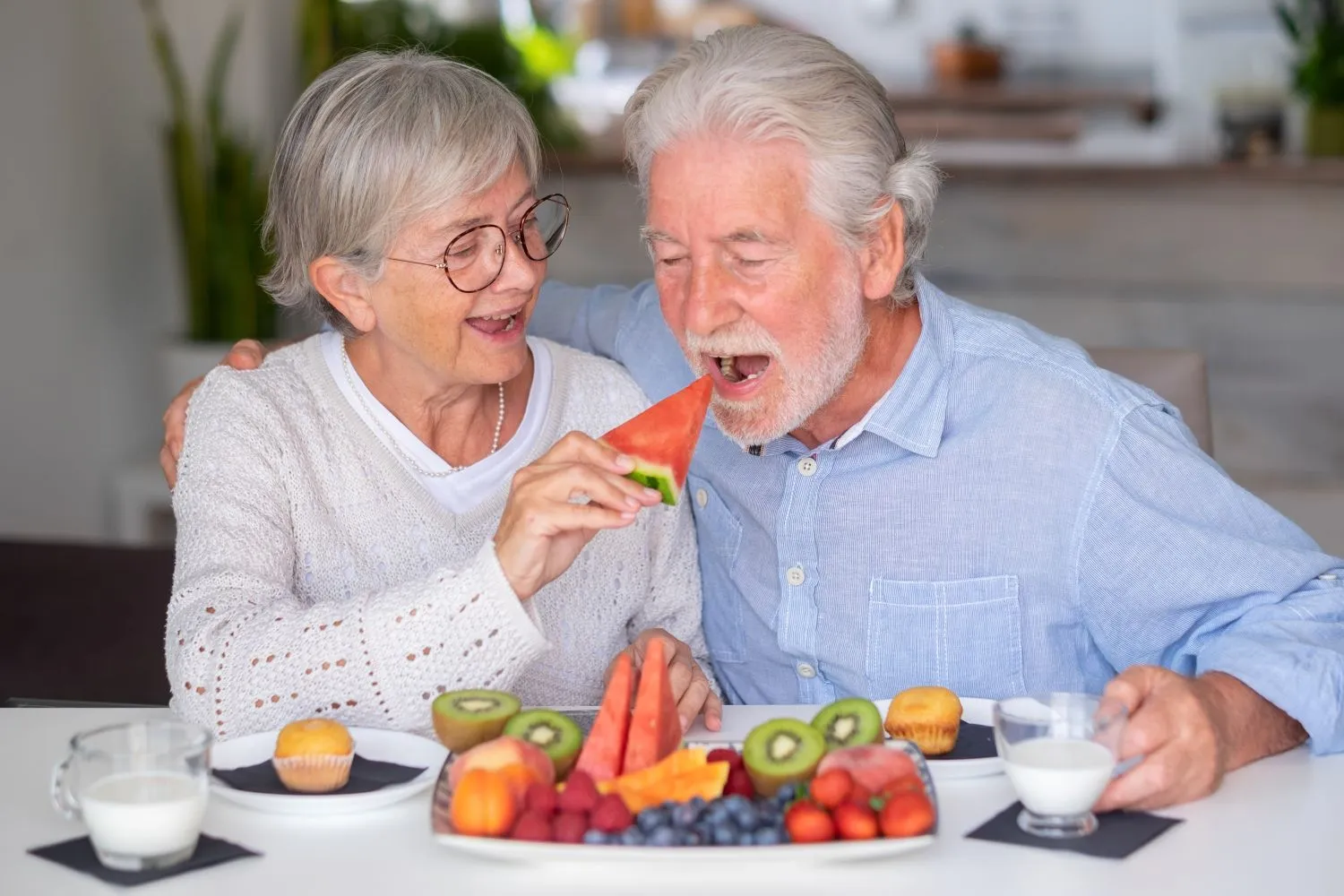
Healthy food for seniors also includes fruits that are soft. These often include:
These are nature’s soft foods for seniors and can be eaten as-is.
Peeled apples or pears are baked until they are mushy. These, too, prove to be the best soft foods for the elderly with no teeth.
Peaches or pears in juice also resolve swallowing problems in the elderly.
Follow Soft Food Recipes for the Elderly with Chewing Problems
This plan focuses on high-protein soft foods for seniors to ensure energy levels stay up, even with smaller portions.
Meal | Suggestions | Estimated Calories |
Breakfast | Food for swallowing problems can be managed with scrambled eggs with melted cheese and half a mashed avocado. | 350 |
Mid-Morning Snack | Full-fat Greek yogurt with a swirl of honey or smooth fruit puree is also high-protien soft food for seniors. | 150 |
Lunch | For soft food diet ideas, one can use creamy tomato basil soup with a side of well-moistened tuna salad. | 350 |
Afternoon Snack | A protein smoothie (milk, banana, and a spoonful of smooth peanut butter) is also a good food for the elderly. | 250 |
Dinner | Soft food dinner ideas include slow-cooked fall-apart pot roast with mashed potatoes and extra gravy. | 400 |
When supporting a senior with swallowing issues, the environment is just as important as considering soft foods for seniors. Therefore, caregivers must consider the following:
When managing a list of soft foods, it is recommended to eat at a 90-degree angle. Stay upright for at least 30 minutes after you finish your meal to prevent reflux.
Turn off the TV when giving healthy soft foods. Focusing on the mechanics of swallowing reduces the risk of choking.
Turn off the TV when giving healthy soft foods. Focusing on the mechanics of swallowing reduces the risk of choking.
When considering soft food ideas for dementia patients, it is specifically recommended to use a teaspoon to ensure bites are manageable.
If liquids like water cause coughing, consult a doctor about using commercial thickeners.
If you notice frequent coughing during meals or unexplained weight loss, it is time to consult a Speech-Language Pathologist (SLP). They can perform a swallow study to determine exactly which soft foods for seniors are safe for your loved one.
Soft foods for seniors are a significant lifestyle adjustment, but it doesn’t have to be a clinical or depressing experience. Significantly, these food items not only improve their overall health but also help manage their disturbed weight issues. Therefore, by focusing on easy-to-swallow recipes for the elderly with high-quality ingredients, you can provide meals that are not only safe but also a source of comfort and joy.
At Health Policy Guide, we believe meaningful growth starts with informed choices. We benefit seniors with upgraded knowledge and resources that help them manage their health and wellness. From navigating Medicare essentials to supporting active aging, our accessible content is designed to promote independence and long-term well-being.
Many seniors with dysphagia (swallowing disorders) actually find water or coffee the hardest to swallow because they move too quickly down the throat. If you notice coughing or throat-clearing while drinking, you may need to use a thickener.
Soft foods are easy-to-chew and easy-to-swallow foods, often used after dental work or for digestive issues. Common examples include mashed potatoes, yogurt, oatmeal, soup, scrambled eggs, and bananas.
The best soft foods come in a variety through seasoning and presentation. Change the texture, but do not make it bland. Use mild herbs, garlic powder, or cinnamon to enhance flavor. In addition, it is necessary to add a mix of warm foods to their meals.
When looking into how to improve swallowing in the elderly, know that soft foods like eggs and yogurt are great. However, if appetite is low, you can supercharge meals. Stir unflavored protein powder or collagen peptides into soups, mashed potatoes, or puddings. These dissolve completely and don’t change the texture but significantly boost the nutritional value.
Yes, you can lose weight by eating soft foods if they are low in calories, balanced, and eaten in proper portions. To manage weight, manage your calorie intake rather than focus on food texture. Therefore, choosing nutrient-dense options can support weight loss.